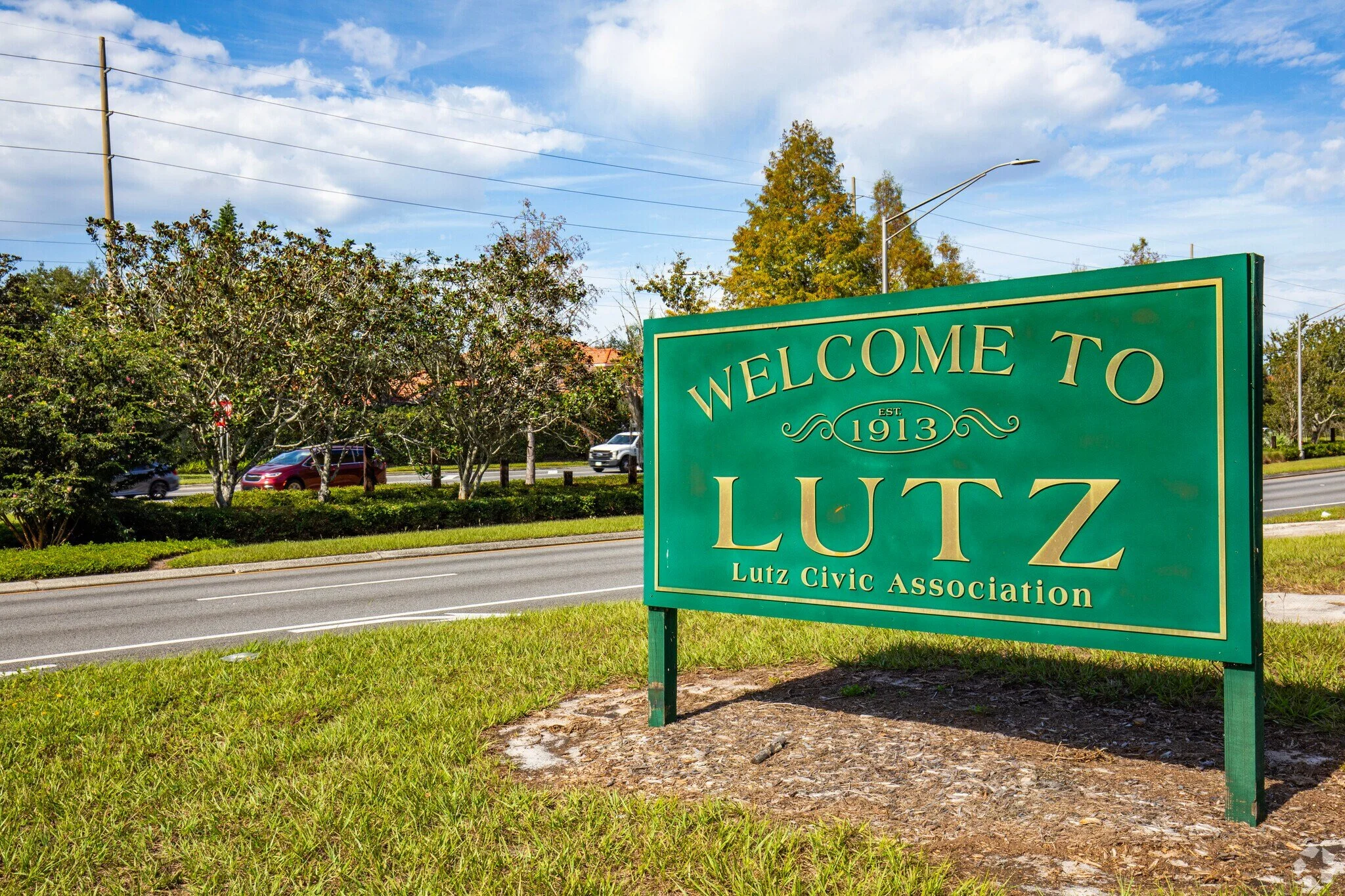
Trial Lawyers for Clients in Lutz, Florida
Business Litigation and Divorce Attorneys Serving Lutz, Florida
Mockler Leiner Law, P.A. represents individuals, families, professionals, executives, business owners, investors, and companies in Lutz and throughout the Tampa Bay area.
Our attorneys handle serious disputes involving businesses, contracts, company ownership, fraud, money, real estate, professional reputations, divorce, children, support, injunctions, trials, and appeals.
Lutz presents a distinctive legal geography. The community extends across northern Hillsborough County and southern Pasco County. Two people with Lutz mailing addresses may have cases in different judicial circuits, use different courthouses, fall within different school districts, and face different practical considerations concerning venue, parenting schedules, witnesses, and local records.
That boundary matters, but it does not define the entire case. A Lutz resident may own a business in Tampa, work in Wesley Chapel, hold property in Pasco County, and have children attending school in Hillsborough County. A company may operate near U.S. 41 but have employees, customers, landlords, lenders, and vendors throughout Florida.
The firm’s office is in Tampa. We do not claim to maintain a separate office in Lutz. Clients hire Mockler Leiner Law, P.A. because they need experienced Florida trial lawyers who understand how evidence, money, procedure, pressure, and courtroom preparation fit together.
A legal dispute rarely begins when the complaint is filed. By then, an owner may have moved company money, a spouse may have gathered financial records, a former employee may have copied confidential information, or a parent may have begun building a narrative for court.
The early decisions matter. Evidence must be preserved. Deadlines must be identified. The right claims and defenses must be selected. Emergency relief may need to be considered. Financial records must be understood rather than simply collected.
Mockler Leiner Law, P.A. prepares cases for the possibility that the opposing party will not become reasonable until the case is ready to be proven.
Why Lutz Legal Disputes Require Local and Regional Strategy
Lutz is not a conventional incorporated city with a single courthouse, municipal government, or neatly defined legal market. It is an unincorporated community tied to both Hillsborough and Pasco Counties and closely connected to Tampa, Carrollwood, Land O’ Lakes, Wesley Chapel, Odessa, New Tampa, and the broader State Road 54 corridor.
The community includes established neighborhoods, lakefront homes, larger residential parcels, gated developments, professional households, medical offices, service businesses, contractors, restaurants, real-estate ventures, and closely held companies.
Legal disputes involving Lutz clients may include:
A divorce involving a professional practice or family business;
A shareholder dispute in which one owner controls the accounts;
Parenting litigation affected by county lines, schools, and commuting;
A commercial lease dispute near U.S. 41 or State Road 54;
A failed real-estate transaction;
Misuse of customer information by a departing employee;
A dispute over inherited, premarital, or lakefront property;
Military retirement or benefits connected to a divorce;
An emergency injunction; or
An appeal from a Hillsborough or Pasco County order.
The address alone does not determine where a civil case belongs. Venue may depend on where the defendant resides, where a contract was performed, where property is located, or where the wrongful conduct occurred. Family cases may depend on residence, prior proceedings, jurisdiction over children, and the location of an existing case.
A lawyer should determine the correct court before filing—not after the opposing party moves to transfer, dismiss, or remand the case.
Lutz Business Litigation Attorneys
A business dispute is rarely limited to the amount shown on an invoice.
It can affect who controls the company, who has access to records, whether customers remain loyal, whether employees stay, whether company information can be used, and whether the business can continue operating while the dispute is pending.
Mockler Leiner Law, P.A. represents plaintiffs and defendants in Florida business tort litigation. Our clients include corporations, LLCs, partnerships, shareholders, members, officers, directors, executives, professionals, contractors, commercial landlords, tenants, vendors, investors, and individuals accused of business misconduct.
The first question is not always whether a lawsuit can be filed. The better questions are:
What is the client trying to protect or recover?
What agreement controls the relationship?
Who owns and controls the business?
Is the disputed conduct continuing?
Could assets or evidence disappear?
Can the claimed damages be proven?
Does an arbitration or venue provision apply?
Is the opposing party capable of paying a judgment?
Can the business survive prolonged litigation?
A strong strategy may involve immediate court action. It may instead involve a focused demand, preservation notice, records inspection, mediation, negotiated buyout, or carefully structured separation.
Activity is not strategy. Every filing, discovery request, motion, and settlement proposal should advance a defined objective.
Contract Disputes
Contracts govern commercial leases, service relationships, construction projects, employment arrangements, professional engagements, vendor agreements, loans, guarantees, business purchases, settlements, and relationships among owners.
Our Florida contract dispute attorneys handle claims involving nonpayment, defective performance, disputed obligations, anticipatory breach, improper termination, personal guarantees, indemnification, specific performance, rescission, damages, and contractual attorney’s fees.
The signed agreement is central, but it may not tell the entire story. Relevant evidence can include drafts, amendments, invoices, notices, emails, text messages, payment history, change orders, and the parties’ actual performance.
A meaningful contract analysis addresses whether an enforceable agreement exists, what performance was required, whether conditions precedent were satisfied, whether the alleged breach was material, whether the other party also failed to perform, and whether the claimed damages were actually caused by the breach.
The agreement may also contain provisions governing:
Arbitration or mediation;
Venue and governing law;
Notice and an opportunity to cure;
Limitations of liability;
Indemnification;
Confidentiality;
Attorney’s fees; and
Available remedies.
Ignoring those provisions can cause a party to file the right claim in the wrong forum or pursue damages that the agreement restricts.
Fraud and Misrepresentation
A failed deal is not automatically fraud. Florida fraud claims require proof of a specific false statement or actionable concealment, justified reliance, causation, and damages.
Our Florida fraud litigation attorneys handle cases involving false financial information, concealed liabilities, manipulated accounting records, deceptive business sales, failed investments, forged or altered documents, real-estate transactions, misrepresented ownership interests, and intentional concealment.
A fraud case should answer concrete questions:
Who made the representation?
What exactly was said or withheld?
When and where did it occur?
Was the statement false when made?
Did the speaker know it was false?
What did the recipient do in reliance?
Was that reliance reasonable?
What loss was caused by the deception?
Contemporaneous documents usually matter more than later characterizations. Emails, text messages, financial statements, closing records, tax returns, lender submissions, accounting entries, and third-party testimony can establish what happened before the parties began positioning themselves for litigation.
Fraud claims should also be distinguished from ordinary contract claims. A party generally cannot transform every broken promise into fraud merely by alleging that the other side never intended to perform.
Civil Theft and Conversion
Some disputes involve identifiable money or property that was allegedly taken, diverted, retained, or used without authority.
Mockler Leiner Law, P.A. handles Florida civil theft claims and defenses and Florida conversion litigation.
These claims may arise when someone diverts business revenue, redirects customer payments, uses company accounts for personal expenses, refuses to return equipment, removes records, retains entrusted funds, or transfers company property during an ownership dispute.
Civil theft is not simply a contract claim with a request for treble damages. The evidence must support the statutory elements and the required intent. The property must be sufficiently identifiable, and the statutory pre-suit demand must be handled correctly.
An unsupported civil-theft claim can expose the claimant to unnecessary risk and distract from stronger claims. A properly supported claim can materially change the remedies and settlement posture.
Conversion may provide a remedy when someone wrongfully exercises control over property inconsistent with the owner’s rights. When the claim concerns money, the funds generally must be identifiable rather than merely part of an ordinary debt.
The distinction between unpaid money and converted property frequently determines whether the tort claim survives.
Breach of Fiduciary Duty
A fiduciary may control another person’s money, property, company, information, voting power, or legal interests.
Our Florida breach of fiduciary duty attorneys represent clients in disputes involving company managers, business partners, corporate officers, directors, agents, trustees, and others occupying positions of legal trust.
Alleged breaches may include self-dealing, undisclosed compensation, diversion of company opportunities, conflicted transactions, misuse of company funds, concealment of financial information, improper competition, manipulation of distributions, or misuse of confidential information.
Not every commercial relationship creates a fiduciary duty. The claimant must identify the legal or factual source of the duty and show how the challenged conduct violated it.
When a breach is proven, available relief may include compensatory damages, disgorgement, an accounting, constructive trust, rescission, injunctive relief, removal from management, or recovery of secret profits.
Financial records frequently reveal more than testimony. General ledgers, bank statements, related-party payments, compensation records, tax returns, and owner distributions may show who received the benefit of the disputed conduct.
Shareholder, LLC Member, and Partnership Disputes
Closely held businesses often depend on trust and informal practices. The owners may be relatives, spouses, former spouses, longtime friends, investors, or professionals who built the company together.
When the relationship breaks down, one owner may control the bank accounts, accounting system, passwords, employees, tax records, customer data, and voting power.
Our Florida shareholder and partnership dispute attorneys handle claims involving denied access to records, exclusion from management, disputed ownership, withheld distributions, excessive compensation, personal use of company funds, diversion of opportunities, deadlock, freeze-outs, related-party transactions, derivative claims, accountings, receiverships, buyouts, and judicial dissolution.
One of the first questions is whether the injury belongs to the individual owner or to the company.
A loss suffered primarily by the company may support a derivative claim. A violation of a separate contractual or statutory right may support a direct claim. Filing in the wrong capacity can result in dismissal even when the underlying misconduct is serious.
The client’s practical objective also matters. An owner seeking restored access needs a different strategy from an owner seeking a buyout. A company that must continue operating may require temporary protections governing accounts, authority, records, employees, and customer relationships.
In cases involving ongoing theft or diversion, emergency injunctive relief, expedited discovery, appointment of a receiver, or other provisional remedies may need to be evaluated quickly.
Trade Secrets and Confidential Information
Many Lutz businesses depend on information that competitors cannot easily recreate: customer data, pricing, vendor terms, financial projections, source code, operating procedures, sales pipelines, referral relationships, and marketing strategies.
A dispute may arise when an employee, contractor, executive, partner, or competitor copies or uses that information without authorization.
A business cannot establish a trade secret merely by calling information confidential. The company may need to prove that the information had economic value because it was not generally known and that reasonable measures were used to protect it.
Those measures may include restricted access, passwords, confidentiality agreements, employee policies, controlled distribution, device management, and documented security practices.
Evidence may exist in downloads, forwarded email, cloud activity, access logs, metadata, external drives, deleted files, and personal devices used for company work.
Delay matters. Once information has been distributed, effective relief may become more difficult. Preservation demands, forensic review, expedited discovery, or an injunction may be necessary before the litigation follows an ordinary schedule.
The firm’s Florida business tort litigation practice includes disputes involving confidential business information, unfair competition, and related emergency relief.
Tortious Interference
A competitor, former employee, former owner, or third party may improperly interfere with an existing contract or valuable business relationship.
Our Florida tortious interference attorneys handle claims involving customer diversion, vendor interference, inducement of contractual breaches, disruption of financing, interference with employment or referral relationships, false statements to customers, and sabotage of pending transactions.
The case may turn on whether a valid relationship existed, whether the defendant knew about it, whether the defendant was a legal stranger to the relationship, whether the conduct was intentional, and whether a privilege or business justification applies.
Aggressive competition is not necessarily unlawful. The claim must distinguish legitimate competition from improper interference.
Damages must also be proven. Evidence may include lost contracts, reduced revenue, customer testimony, communications showing inducement, and financial analysis connecting the conduct to the claimed loss.
Real-Estate Litigation
Lutz includes residential property, lakefront homes, larger parcels, rental property, commercial space, construction projects, and real estate held through family or business entities.
Our Florida real-estate litigation attorneys handle disputes involving purchase and sale agreements, failed closings, deposits, specific performance, commercial leases, joint ownership, partition, title, easements, boundaries, construction agreements, property damage, and alleged misrepresentations.
Real-estate litigation is document intensive. Relevant evidence may include deeds, surveys, contracts, inspection reports, permits, closing records, leases, repair invoices, photographs, association records, and proof of payment.
A property dispute may affect more than the land. It may involve operating businesses, lenders, tenants, investors, guarantors, or family members. The litigation strategy must account for those interests and for the practical consequences of a sale, injunction, partition, or judgment.
Defamation and Reputation Litigation
A false accusation can spread through social media, online reviews, neighborhood platforms, workplace communications, professional networks, and direct statements to customers or employers.
Our Florida defamation attorneys handle claims involving libel, slander, business disparagement, professional accusations, online publications, and reputational harm.
Not every insulting or damaging statement is actionable. The analysis may depend on whether the statement asserts a provably false fact, whether it was communicated to another person, whether it is protected opinion, whether a privilege applies, and whether damages can be established.
A defamation strategy may involve preservation, a correction or removal demand, identification of an anonymous speaker, litigation, or a decision not to amplify the publication.
The client should consider both legal relief and reputational consequences. A lawsuit can expose misconduct, but it can also create publicity and discovery concerning the underlying accusation.
Federal Litigation
Some Lutz business disputes belong in federal court because they involve federal law, diverse citizenship, interstate trade secrets, or related federal claims.
Our Florida federal litigation attorneys handle complex commercial disputes involving removal, jurisdiction, arbitration, emergency injunctions, electronic discovery, expert testimony, summary judgment, trial, and appeal.
Federal court should not be selected reflexively. The decision should account for subject-matter jurisdiction, the assigned division, pleading standards, scheduling procedures, discovery obligations, expert requirements, and the client’s business objective.
Lutz Divorce and Family Law Attorneys
Family cases are personal, but they are still litigation.
A court may decide where children live, how parents make decisions, whether support is paid, who keeps the home, how retirement is divided, and whether a family business survives the divorce.
Our Florida divorce attorneys represent Lutz clients in contested divorces involving children, businesses, professional practices, real estate, retirement, investments, debt, support, disputed income, and incomplete financial disclosure.
The objective is not simply to obtain a final judgment. It is to protect the client’s relationship with the children, financial position, property rights, and ability to function after the litigation ends.
Divorce Involving a Business or Professional Practice
A divorce involving a closely held company requires separate analysis of value, income, control, and future operations.
Our divorce lawyers for business owners handle cases involving LLCs, partnerships, Subchapter S corporations, family businesses, and professional practices.
The value of a spouse’s ownership interest and the income available for support are related questions, but they are not interchangeable.
Important issues may include business valuation, personal and enterprise goodwill, pass-through income, retained earnings, owner compensation, distributions, tax distributions, accounts receivable, related entities, business debt, personal guarantees, personal expenses paid by the company, compensation to relatives, and control of the records.
The business may be both the family’s most valuable asset and its principal source of income. Litigation that damages the business can harm both parties.
Temporary orders may be needed to preserve financial records, maintain ordinary operations, restrict unusual transactions, or prevent either spouse from using the company as a weapon.
A divorce may also intersect with separate civil claims. Other shareholders or members are not automatically parties to the family case. Claims involving fiduciary duties, ownership rights, company property, or third parties may belong in civil court or arbitration rather than the dissolution proceeding.
High-Net-Worth Divorce
Our Florida high-net-worth divorce attorneys handle cases involving substantial homes, businesses, professional practices, investment accounts, retirement benefits, executive compensation, trusts, inherited property, deferred compensation, and complex income.
A case does not become complex solely because the parties are wealthy. Complexity may arise because ownership is disputed, records are incomplete, assets have been commingled, one spouse controls the financial information, or income is difficult to distinguish from business cash flow.
These cases may require forensic accountants, business appraisers, real-estate appraisers, vocational experts, tax analysis, or other expert testimony.
Expert work should be focused. An expert should answer a question that matters to the case rather than increase cost without improving the evidence.
Equitable Distribution
Florida courts identify, classify, value, and distribute marital assets and liabilities.
Our Florida equitable distribution attorneys handle disputes involving homes, rental property, businesses, professional practices, bank and brokerage accounts, retirement benefits, debt, inherited assets, premarital property, appreciation, commingling, and alleged waste.
The classification of property can matter as much as its value.
A premarital home may acquire a marital component through mortgage reduction, improvements, or active appreciation. Inherited money may become commingled. A business started before marriage may have marital appreciation attributable to labor during the marriage.
Financial disclosure should be tested against the underlying records. Tax returns, bank statements, loan applications, closing files, business books, retirement statements, and electronic payment histories may reveal assets, liabilities, income, and transactions not apparent from a financial affidavit.
Alimony
Our Florida alimony attorneys represent parties seeking support and parties defending against unsupported or excessive claims.
Alimony litigation may involve the length of the marriage, need, ability to pay, the marital standard of living, available assets, earning capacity, health, age, childcare responsibilities, and the statutory limits governing the form and duration of relief.
Business-owner income can make alimony particularly complicated. Taxable income may differ from available cash flow. Retained earnings may or may not be available to the owner. Business deductions may be legitimate, exaggerated, or personal.
A party’s financial affidavit is an important disclosure document, but it should be tested against tax returns, account statements, payroll, general ledgers, and actual spending.
Child Custody, Parenting Plans, and Time-Sharing
Our Florida child custody attorneys handle disputes involving parental responsibility, parenting plans, equal or majority time-sharing, school decisions, medical decisions, transportation, mental health, substance abuse, domestic violence, parental alienation, supervised contact, and reunification.
Lutz parenting cases can present unusual logistical issues because the community spans two counties. Parents may live only several miles apart but use different school systems, commuting routes, childcare providers, and extracurricular facilities.
A workable parenting plan should account for:
The children’s schools and activities;
Each parent’s work schedule;
Transportation and exchange locations;
Travel along U.S. 41, Dale Mabry Highway, Interstate 275, and State Road 54;
Medical and childcare providers;
The distance between households; and
The children’s ages and actual needs.
The strongest parenting cases are built from specific evidence. Courts need more than general accusations that one parent is difficult or that another is “better.” Parenting history, communication, consistency, judgment, school involvement, and the ability to support the child’s relationship with the other parent may all matter.
Child Support
Our Florida child support attorneys handle cases involving wages, bonuses, commissions, self-employment, business income, rental income, investment income, retirement income, benefits, health insurance, childcare, and extraordinary expenses.
A paystub may be enough in a straightforward case. It may be misleading when a parent owns a business, controls compensation, receives pass-through income, or has personal expenses paid by a company.
Support litigation may also involve voluntary unemployment, underemployment, vocational evaluation, imputation of income, retroactive support, and modification after a substantial change in circumstances.
The objective is to identify actual income available under Florida law, not simply the number reported on one tax form.
Military Divorce
Lutz is connected to the greater Tampa military community through MacDill Air Force Base, veterans, reservists, federal employees, defense contractors, and military families living throughout northern Hillsborough and southern Pasco Counties.
Our Florida military divorce attorneys handle cases involving military retired pay, disability compensation, Survivor Benefit Plan coverage, Thrift Savings Plan accounts, military healthcare, jurisdiction, deployment, parenting, support, and military allowances.
These cases require attention to both Florida and federal law. A provision that sounds reasonable in a settlement agreement may not be enforceable or administratively workable through the military system.
Precise language matters when dividing retired pay, addressing survivor coverage, calculating income, or allocating responsibility for benefits and deadlines.
Domestic Violence and Injunctions
Injunction proceedings can move quickly and have immediate consequences for housing, contact, parenting, employment, firearms, professional licensing, security clearances, and reputation.
Our Florida domestic violence injunction attorneys represent petitioners seeking protection and respondents defending against false, exaggerated, or legally insufficient allegations.
Evidence may include text messages, emails, recordings, photographs, call logs, police reports, medical records, social-media content, surveillance footage, and witness testimony.
A temporary injunction is not the final evidentiary hearing. The case should be prepared from the beginning for the hearing at which the court will decide whether longer-term relief is legally justified.
Paternity, Relocation, Enforcement, and Modification
Mockler Leiner Law, P.A. also represents Lutz clients in:
Paternity cases establish parental rights and obligations when the parents were not married. They may involve parental responsibility, time-sharing, child support, insurance, expenses, relocation, and enforcement.
Relocation disputes require prompt attention. A parent ordinarily cannot simply move a child a legally significant distance and address permission later. The proposed move, statutory procedure, parenting history, employment opportunity, support network, and effect on the other parent’s relationship with the child may all matter.
Post-judgment cases may involve unpaid support, denied time-sharing, failure to transfer property, failure to refinance debt, retirement, changed income, changed needs of a child, or violations of an existing judgment.
A final judgment does not enforce itself. The moving party must identify the obligation, establish noncompliance, and prove entitlement to the requested remedy. The responding party may have defenses based on ambiguity, inability to comply, changed circumstances, or the actual language of the order.
Emergency Relief and Temporary Orders
Some disputes cannot wait for an ordinary litigation schedule.
Immediate relief may be considered when someone is transferring assets, emptying accounts, destroying evidence, locking an owner out of a company, disclosing confidential information, withholding a child, threatening violence, selling disputed property, or violating an existing court order.
Possible temporary remedies may include an injunction, expedited discovery, asset-preservation order, temporary support, temporary parenting plan, exclusive use of a home, restrictions on unusual business transactions, or appointment of a receiver in an appropriate civil case.
Emergency motions require discipline. The court expects specific facts, admissible evidence, a sound legal basis, and an explanation of why ordinary procedures are inadequate.
Calling a dispute an emergency does not make it one. Overstatement damages credibility. Waiting too long, however, can permit the harm to become permanent.
Evidence Preservation and Discovery
Strong cases are built from evidence, not suspicion.
Relevant evidence may include contracts, operating agreements, deeds, tax returns, bank records, accounting data, financial affidavits, emails, text messages, corporate records, school records, medical records, photographs, recordings, police reports, and expert analyses.
Electronic evidence can disappear quickly. Accounts are deleted. Surveillance systems overwrite recordings. Employees leave. Phones are replaced. Cloud permissions change. Social-media content vanishes.
Preservation may require litigation-hold letters, formal demands, subpoenas, forensic imaging, inspection of devices, expedited discovery, or a court order.
Discovery should be purposeful. The objective is not to demand every document that exists. It is to obtain the evidence necessary to prove claims, defeat defenses, determine income or damages, evaluate settlement, cross-examine witnesses, and prepare for trial.
Mediation, Settlement, and Trial
Many Lutz civil and family cases resolve through mediation or negotiation. Settlement should follow informed analysis rather than exhaustion or fear.
Before mediation, the client should understand the evidence, weak points, available remedies, likely defenses, litigation cost, trial risk, tax effects, collectability, business consequences, and effect on the children.
A settlement may address much more than money. It may include a business buyout, transfer of ownership, confidentiality, non-disparagement, return of property, sale of real estate, allocation of debt, parenting terms, payment security, or a process for resolving future disputes.
When settlement is not possible, the case must be ready for court.
Trial preparation includes organizing admissible exhibits, preparing witnesses, developing direct and cross-examination, addressing evidentiary issues, preparing experts, and presenting a coherent theory connected to the requested relief.
A trial should not become a document dump. The judge or jury should understand what happened, why it matters under the law, and what remedy the evidence supports.
Courts Serving Lutz
Because Lutz extends across Hillsborough and Pasco Counties, the proper court depends on the address, the parties, the subject matter, and the legal basis for venue and jurisdiction.
Hillsborough County state-court cases generally proceed within Florida’s Thirteenth Judicial Circuit. Pasco County state-court cases generally proceed within the Sixth Judicial Circuit.
Family cases, higher-value civil disputes, injunctions, and many business claims proceed in circuit court. County court handles civil matters within its jurisdictional authority, including certain contract, landlord-tenant, and other disputes.
A Lutz address should not be used as a shortcut for determining the proper courthouse. Counsel should verify the county, venue, existing proceedings, and assigned division.
Appeals from state trial courts in Hillsborough and Pasco Counties ordinarily proceed to Florida’s Second District Court of Appeal.
Mockler Leiner Law, P.A. handles Florida civil appeals and Florida family law appeals.
An appeal is not a second trial. The appellate court reviews the record created below. Objections, proffers, transcripts, requested findings, post-trial motions, and the language of the final order may determine whether an issue can be reviewed.
Appellate strategy therefore begins in the trial court.
Lutz, Hillsborough County, and Pasco County Resources
Because Lutz crosses the county line, some readers may benefit from the firm’s broader county and neighboring-community resources:
Mockler Leiner Law, P.A. also represents clients from Land O’ Lakes, Odessa, New Tampa, Northdale, Cheval, Lake Magdalene, Keystone, and surrounding Tampa Bay communities.
We do not claim to maintain separate offices in those locations. The firm serves clients throughout the region from its Tampa office.
Richard Mockler and Angela Leiner
Richard J. Mockler
Richard J. Mockler represents clients in complex family law, business litigation, civil disputes, trials, and appeals.
His background in finance, taxation, corporate matters, and litigation is particularly valuable when a case involves business ownership, pass-through income, financial statements, valuation, investments, tax records, executive compensation, real estate, or overlapping civil and family claims.
Richard is a United States Marine Corps veteran and an experienced Florida trial attorney. He focuses on identifying the legal, financial, and practical pressure points that drive the dispute.
Angela L. Leiner
Angela L. Leiner represents clients in divorce, parenting disputes, domestic violence, civil litigation, real-property disputes, financial cases, trials, and appeals.
Angela brings extensive courtroom and appellate experience to disputes involving children, businesses, property, credibility, financial records, mental health, substance abuse, parental alienation, and high-conflict opposing parties.
Richard and Angela bring complementary financial, business, family-law, trial, and appellate experience to serious Lutz cases.
Frequently Asked Questions
Does Mockler Leiner Law, P.A. have an office in Lutz?
No. The firm’s office is in Tampa. Mockler Leiner Law, P.A. regularly represents Lutz residents, families, professionals, business owners, and companies but does not claim to maintain a separate Lutz office.
Is Lutz in Hillsborough County or Pasco County?
Lutz includes areas in northern Hillsborough County and southern Pasco County. The proper court and courthouse depend on the specific address, type of case, venue, jurisdiction, and whether an existing proceeding is already pending.
What types of cases does the firm handle for Lutz clients?
The firm handles business torts, contracts, fraud, civil theft, conversion, fiduciary-duty claims, shareholder and partnership disputes, tortious interference, real-estate litigation, defamation, federal litigation, divorce, custody, child support, alimony, equitable distribution, military divorce, paternity, relocation, injunctions, enforcement, modification, trials, and appeals.
Can a Lutz divorce involve a separate business lawsuit?
Yes. A divorce court may address valuation and equitable distribution of a spouse’s ownership interest while separate civil claims involve other owners, company records, fiduciary duties, contracts, fraud, or misuse of company property.
The governing agreements may also require arbitration. Whether the issues belong in family court, civil court, arbitration, or more than one proceeding depends on the parties, claims, ownership structure, and relief requested.
What should I do after being served with a lawsuit?
Act immediately. The deadline to respond may begin running upon service.
Counsel should evaluate jurisdiction, venue, arbitration, possible motions, affirmative defenses, counterclaims, insurance, indemnification, evidence preservation, and any need for emergency relief.
What should I bring to a business-litigation consultation?
Bring the governing agreements, amendments, emails, text messages, invoices, payment records, corporate filings, ownership records, financial statements, accounting records, demand letters, notices, photographs, recordings, and filed court papers.
A concise chronology identifying the important events, people, and transactions is also useful.
What should I bring to a divorce or family-law consultation?
Bring court papers, prior orders, tax returns, pay records, bank statements, retirement records, business documents, financial affidavits, parenting communications, school information, settlement agreements, injunction documents, and records concerning the disputed issues.
Can a business dispute be resolved without litigation?
Sometimes. A dispute may be resolved through negotiation, mediation, arbitration, a buyout, an accounting, a revised agreement, return of property, or a structured separation.
Pre-suit communications should be handled carefully. A poorly drafted demand can reveal strategy, make unsupported accusations, or create harmful evidence.
Does the firm handle emergency injunctions?
Yes. Mockler Leiner Law, P.A. handles emergency proceedings in civil and family cases when the facts and law support immediate intervention. The firm also defends clients against unsupported or overbroad emergency requests.
Does the firm handle appeals from Lutz cases?
Yes. Mockler Leiner Law, P.A. handles civil and family law appeals. Appellate deadlines are strict, so a final or appealable nonfinal order should be reviewed promptly.
Do all serious cases go to trial?
No. Many disputes resolve through negotiation, mediation, arbitration, dismissal, or motion practice.
Trial preparation still matters. A case that is organized and ready for court is generally better positioned for settlement and better protected if settlement fails.
Contact Lutz Trial Lawyers
A serious legal dispute can threaten a business, family, home, financial future, professional reputation, or relationship with a child.
The early decisions may determine which evidence survives, which claims remain available, whether emergency relief is possible, and which side controls the pace of the case.
Mockler Leiner Law, P.A. represents Lutz clients in business litigation, civil disputes, divorce, family law, injunction proceedings, trials, post-judgment litigation, and appeals.
Call Mockler Leiner Law, P.A. at (813) 331-5699 or contact us online to discuss your case.