
Florida Legal Blog
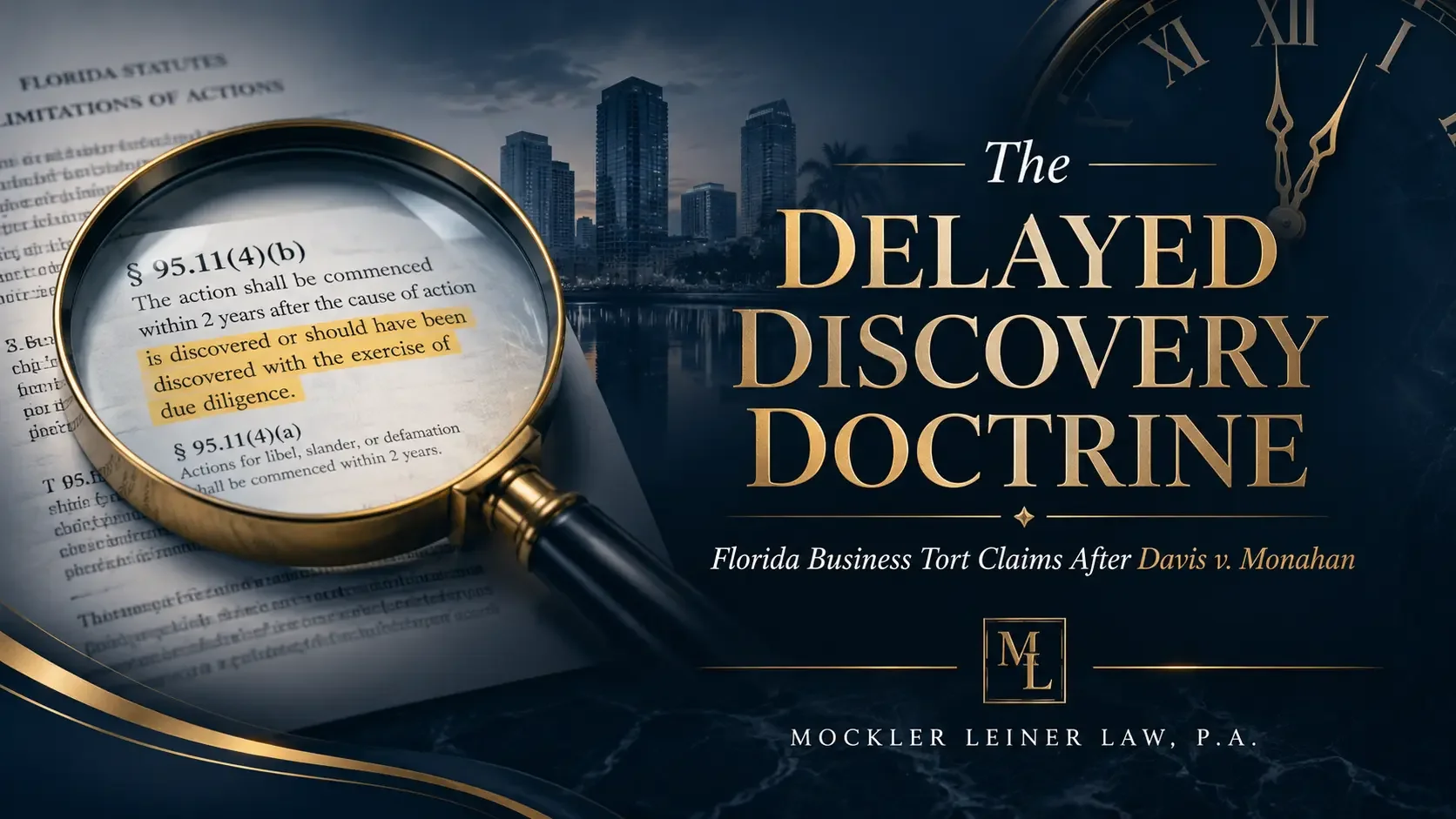
The Delayed Discovery Doctrine in Florida Business Tort Cases: What Davis v. Monahan Means for Fraud, Civil Theft, Conversion, FDUTPA, Trade Secrets, and Fiduciary Duty Claims
Florida law does not automatically pause the statute of limitations just because a business owner did not discover misconduct right away. In Davis v. Monahan, the Florida Supreme Court limited the delayed discovery doctrine and made clear that many business tort claims can expire before the injured party fully understands what happened.
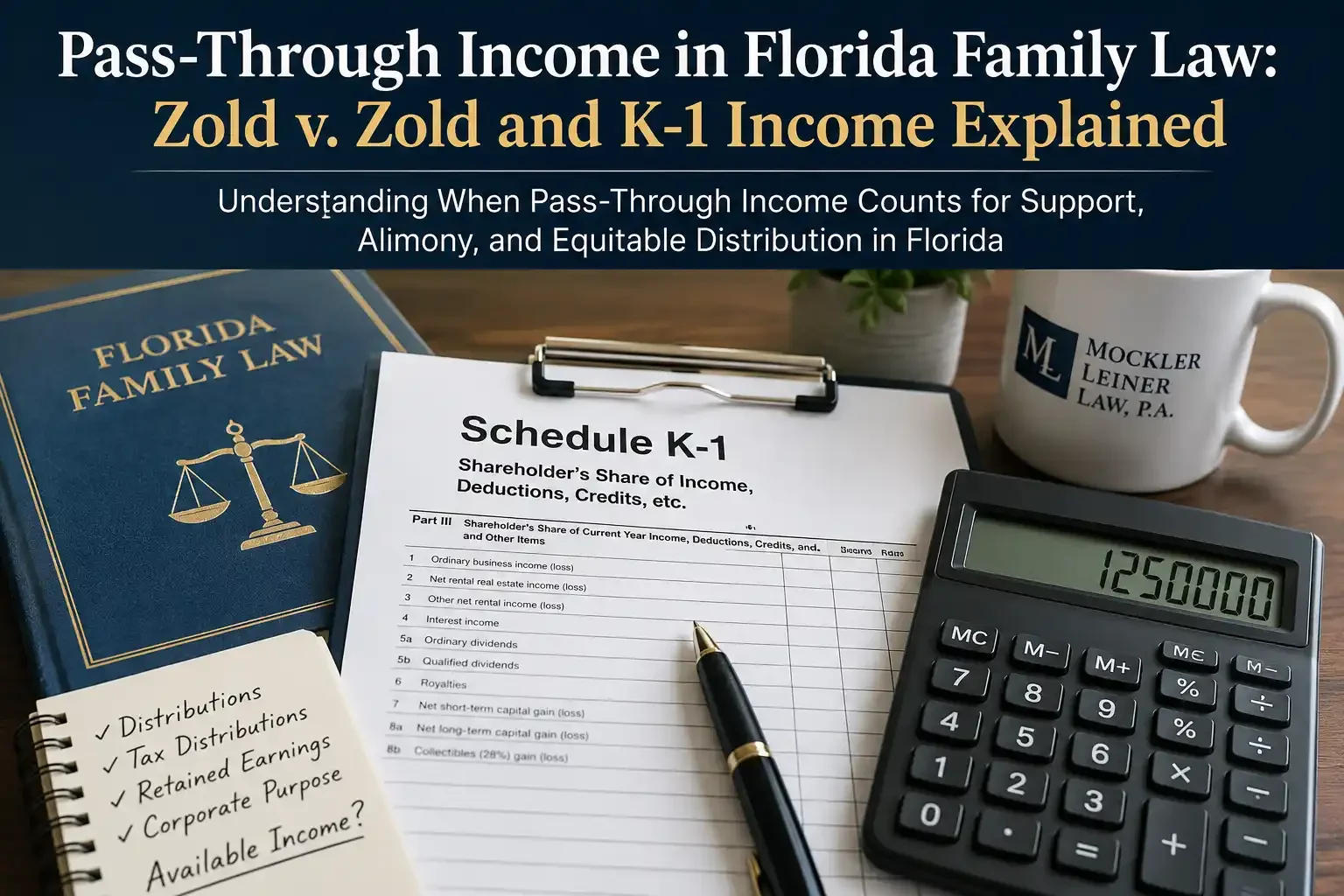
Pass-Through Income in Florida Family Law Cases: What Zold v. Zold Means for Business Owners, Spouses, and K-1 Income
A K-1 can show taxable income that was never actually received. In Florida family law cases, Zold v. Zold controls when pass-through income may be used for alimony, child support, attorney’s fees, and other financial issues. The question is not simply what appears on a tax return. The question is whether the money was actually available to the spouse—or was legitimately retained for corporate or business purposes
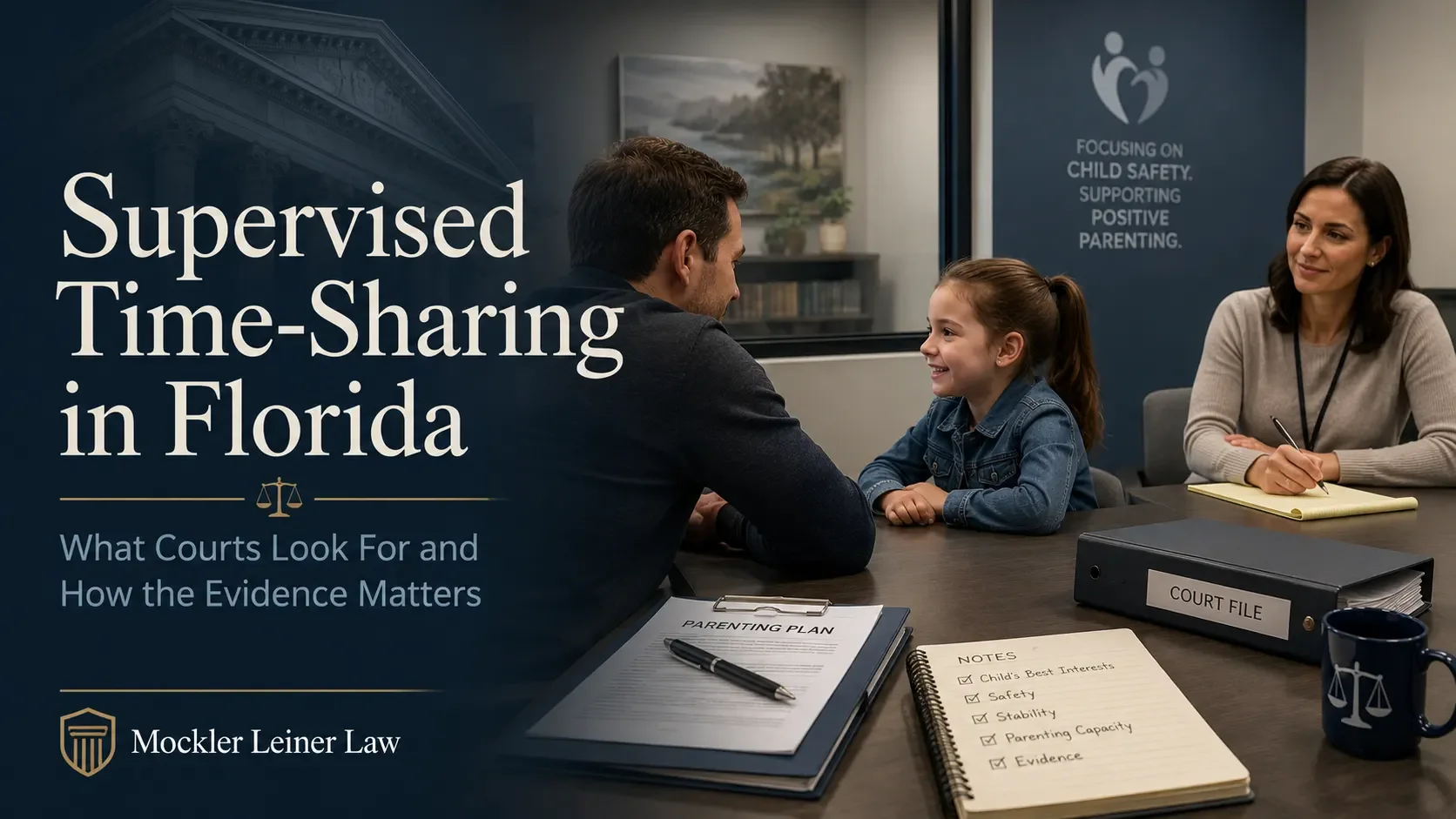
Supervised Time-Sharing in Florida: What Courts Look For and How the Evidence Matters
Florida family law courts may order supervised time-sharing when evidence shows child-safety concerns involving substance abuse, mental health, violence, sexual misconduct, unsafe parenting, or other serious risks. Learn what courts look for and how these cases are proven.